



Smart Water Management Starts with Every Drop
Water Harvesting System
Water is one of our most valuable natural resources, and managing it responsibly is becoming increasingly important for homes, businesses, industries, institutions, and infrastructure projects. A well-designed Water Harvesting System provides an effective way to collect, manage, store, and recharge water while reducing dependence on conventional water sources.
Our water harvesting solutions are designed to make better use of available water resources. By collecting rainwater and directing it toward storage or groundwater recharge, these systems help conserve water, reduce surface runoff, and support long-term water sustainability.
What is a Water Harvesting System?
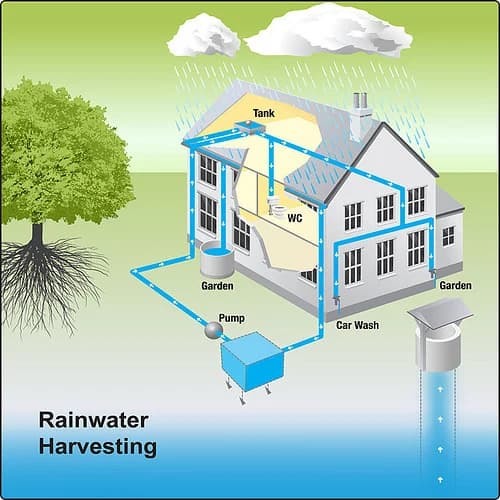
A Water Harvesting System is a planned method of collecting and managing water, particularly rainwater, instead of allowing it to flow away as surface runoff.
Rainwater falling on rooftops, paved areas, roads, and open surfaces can be collected through a properly designed drainage and filtration network. The collected water can then be:
- Stored for suitable applications
- Directed toward groundwater recharge
- Filtered before entering a recharge structure
- Managed to reduce stormwater runoff
- Used as an additional source of water for non-potable requirements
A properly designed system turns rainfall from a temporary runoff problem into a valuable water resource.
Why is Water Harvesting Important?
Increasing urbanization, construction, groundwater extraction, and changing rainfall patterns are putting additional pressure on available water resources.
At the same time, large paved and built-up areas prevent rainwater from naturally entering the ground. Instead, a significant amount of rainfall quickly flows into drainage systems and is eventually lost. Water harvesting provides a practical way to manage this runoff. By capturing rainwater where it falls, a harvesting system can help:
- Conserve available water resources
- Reduce unnecessary water wastage
- Support groundwater recharge
- Reduce pressure on drainage infrastructure
- Minimize waterlogging caused by heavy rainfall
- Reduce dependence on external water sources
- Improve the overall water balance of a site
It is a simple concept with long-term environmental and economic value.
How Does a Water Harvesting System Work?
A water harvesting system consists of several interconnected components that work together to collect and manage rainwater efficiently.
- 1
Rainwater Collection
Rainwater is collected from suitable catchment areas such as rooftops, terraces, paved surfaces, and designated open areas. The size and type of catchment area determine how much water can potentially be collected.
- 2
Conveyance
Collected water is transported through a network of pipes, channels, gutters, and drainage lines toward the filtration or treatment stage. Proper conveyance design helps minimize water loss and ensures that the system can handle expected rainfall intensity.
- 3
Filtration
Before water is stored or recharged, it may need to pass through an appropriate filtration system. Filtration helps remove leaves, soil, suspended particles, and other unwanted materials from the collected runoff. The type of filtration required depends on the site conditions and the intended use of the harvested water.
- 4
Storage or Groundwater Recharge
After filtration, water can be directed toward a storage structure or groundwater recharge system. For storage applications, water is retained for later use. For recharge applications, water is gradually introduced into the ground to support the replenishment of underground water resources.
- 5
Reuse or Controlled Discharge
Stored water can be used for suitable non-potable applications depending on the quality of the harvested water and the treatment provided. This may include landscaping, gardening, flushing, cleaning, and other appropriate applications.
Types of Water Harvesting Systems
Different sites require different approaches. We provide solutions that can be designed according to available space, rainfall conditions, soil characteristics, water requirements, and project objectives.
Rooftop Rainwater Harvesting
Rooftop harvesting collects rainwater from building roofs and directs it through a filtration and conveyance system. It is suitable for residential buildings, offices, schools and colleges, hospitals, commercial buildings, industrial facilities, and warehouses. Rooftop harvesting is particularly effective because roofs provide a relatively defined catchment area that makes collection easier to manage.
Groundwater Recharge System
Groundwater recharge systems are designed to allow collected rainwater to move into suitable underground formations. These systems can help improve groundwater availability over time while reducing the amount of rainwater lost as surface runoff. The design of a recharge system should consider factors such as soil conditions, groundwater levels, rainfall, catchment area, and site geology.
Modular Rainwater Harvesting System
Modular systems provide a modern alternative to conventional underground storage and recharge structures. They use specially engineered modules to create an underground void that can temporarily store and manage large volumes of water. Modular systems can be used beneath parking zones, driveways, landscaped areas, open spaces, industrial yards, and commercial developments.
Stormwater Harvesting System
During heavy rainfall, large amounts of water can accumulate on roads, parking areas, industrial premises, and urban surfaces. A stormwater harvesting system captures and manages this runoff rather than allowing it to overwhelm drainage infrastructure. Depending on the project design, collected stormwater can be filtered, stored, reused, or directed toward groundwater recharge.
Key Components of a Water Harvesting System
A complete system may include several components depending on the site's requirements.
Catchment Area
The surface from which rainwater is collected.
Collection Network
Gutters, drains, channels, and other structures that collect runoff.
Conveyance Pipes
Pipes that transport collected water toward the filtration or storage/recharge system.
Filtration Unit
A filtration arrangement designed to remove unwanted particles and impurities from collected runoff.
Storage Structure
A tank or underground storage solution designed to retain harvested water.
Recharge Structure
A structure that facilitates the controlled movement of water into the ground.
Modular Storage/Recharge Modules
Underground modules that provide high-volume water storage or controlled infiltration within a relatively compact footprint.
Inspection and Maintenance Points
Access points that allow the system to be inspected, cleaned, and maintained when required.
Benefits of a Water Harvesting System
Conserves Water
Instead of allowing rainfall to become uncontrolled runoff, harvesting systems capture and put this valuable resource to productive use.
Supports Groundwater Recharge
When designed for recharge, harvested rainwater can contribute to replenishing underground water resources.
Reduces Surface Runoff
Capturing rainwater can reduce the amount of water flowing across roads, parking areas, and other surfaces during rainfall events.
Helps Reduce Waterlogging
Effective stormwater management can reduce the accumulation of excess water in suitable areas.
Reduces Dependence on Conventional Water Sources
Harvested rainwater can supplement existing water supplies for suitable applications, reducing pressure on municipal or groundwater sources.
Makes Better Use of Available Space
Modern underground and modular systems allow water management infrastructure to be installed without taking up large amounts of valuable surface area.
Supports Sustainable Development
Water harvesting contributes to responsible resource management and can form an important part of a project's overall sustainability strategy.
Long-Term Cost Benefits
Although a harvesting system requires an initial investment, efficient water management can provide long-term savings by reducing water procurement and improving resource utilization.
Applications of Water Harvesting Systems
Water harvesting solutions can be designed for a wide range of applications.
Industrial Projects
Manufacturing plants and industrial facilities often have large rooftops and paved areas that generate substantial runoff. Harvesting systems can help manage this water efficiently.
Commercial Buildings
Shopping complexes, office buildings, hotels, and business parks can use rainwater harvesting to manage runoff and supplement suitable non-potable water requirements.
Residential Developments
Apartments, housing societies, villas, and residential complexes can use harvesting systems to conserve water and support groundwater recharge.
Educational Institutions
Schools, colleges, universities, and campuses can implement harvesting systems as part of their water conservation infrastructure.
Hospitals and Healthcare Facilities
Large healthcare campuses can benefit from efficient stormwater management and groundwater recharge solutions.
Warehouses and Logistics Parks
Large roof areas and extensive paved surfaces make warehouses and logistics facilities suitable for rainwater collection.
Infrastructure Projects
Roads, parking areas, public facilities, and large development projects can incorporate water harvesting into their overall drainage and water management strategy.
Why Choose a Professionally Designed Water Harvesting System?
A water harvesting system should not simply be installed based on the size of a tank or recharge pit. Every site has different conditions. A professionally designed system ensures that the collection, filtration, storage, recharge, and drainage components work together effectively. This helps improve system performance while making maintenance easier over the long term.
Factors considered during planning:
- Annual rainfall
- Catchment area
- Soil characteristics
- Groundwater conditions
- Site layout
- Available space
- Water demand
- Runoff volume
- Intended use of harvested water
Our Approach to Water Harvesting
We believe that every site requires a solution designed around its actual water conditions and requirements. Our approach focuses on understanding the project before recommending a system.
Site Assessment
We evaluate the available catchment areas, site layout, drainage patterns, and other relevant conditions.
Water Requirement Analysis
We consider the project's water requirements and determine how harvested rainwater can contribute to overall water management.
System Design
The collection, filtration, storage, and recharge components are planned according to project-specific requirements.
Efficient Installation
The system is installed with attention to accessibility, durability, performance, and future maintenance.
Long-Term Water Management
Our goal is not simply to collect rainwater. It is to help create a practical and sustainable water management system that continues to deliver value over time.
Let's Make Every Drop Count
Rainfall is a naturally available resource, but without proper planning, much of it can be lost as runoff. A well-designed Water Harvesting System provides an opportunity to capture this water, manage it efficiently, and use it to support long-term water security.
Whether your requirement is for rainwater collection, groundwater recharge, stormwater management, underground storage, or a modular water harvesting solution, the right system can make a meaningful difference to your project's water management strategy.
Looking for a reliable Water Harvesting System for your residential, commercial, industrial, or institutional project? Talk to our team to discuss your site requirements and find a water harvesting solution designed for your project.
Our Happy Clients